Effective UI | Honeywell Digital Workplace Redesign
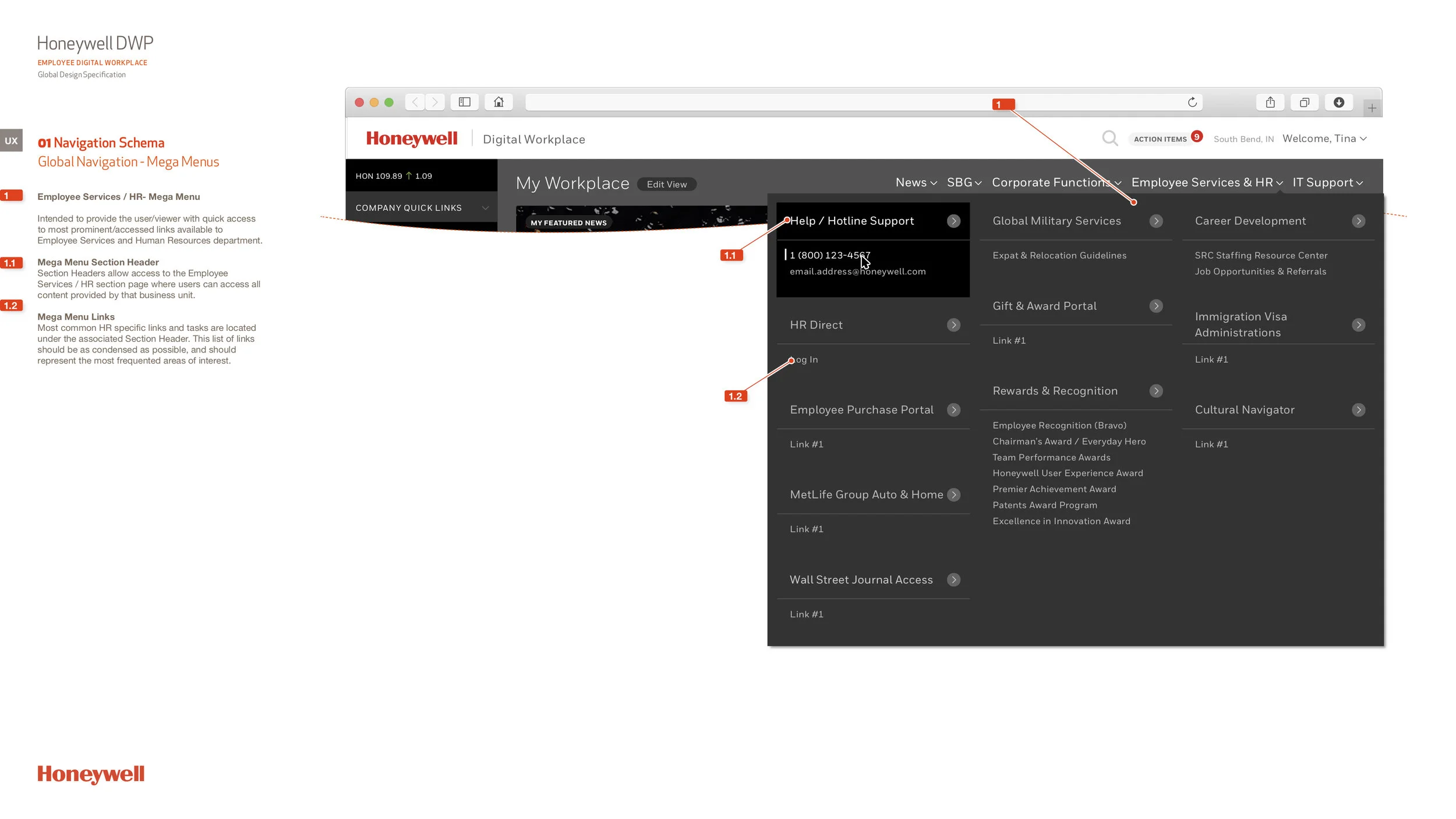
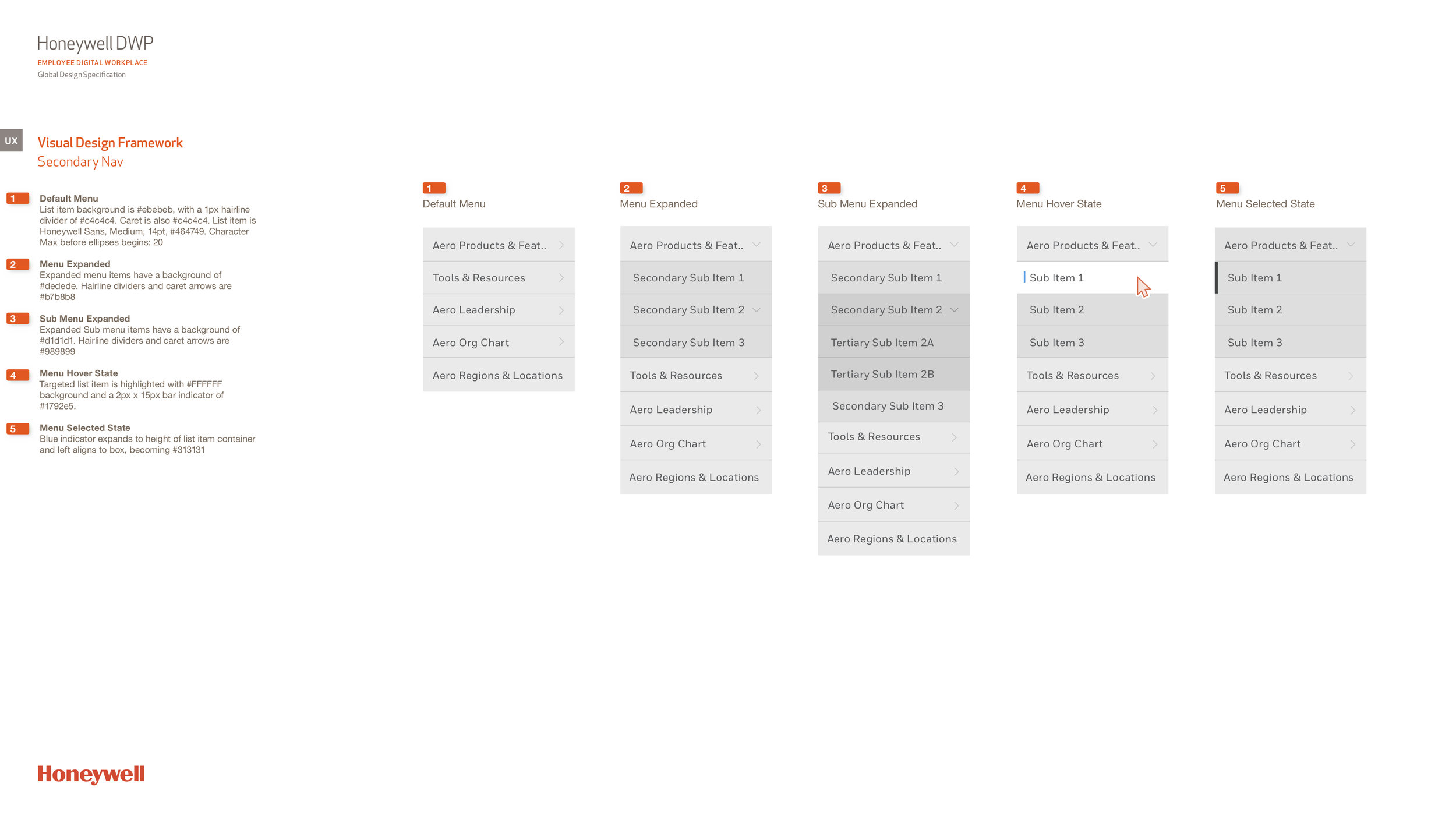
Honeywell engaged Effective UI to untangle more than a decade of intranet growth and neglect that had resulted in over 1,500 pages of fragmented, outdated, and difficult-to-navigate content. As the Lead Experience Architect, I played a central role in redefining the information architecture and interaction model for Honeywell’s Digital Workplace—focusing not just on content organization, but on clarifying the purpose each page served for employees.I led the analysis of existing content to understand usage patterns, redundancies, and unmet user needs. Based on this research, we implemented a shallow, wide information architecture designed to reduce cognitive load and improve findability. Personalized content was introduced through modular card-based layouts, inspired by a Pinterest-style mental model, allowing employees to quickly scan, prioritize, and access information most relevant to their role and responsibilities.I produced detailed Information Architecture diagrams mapping primary navigation and menu options directly to user needs and common inquiries, ensuring alignment between business objectives and employee workflows. To support development and long-term consistency, I authored comprehensive User Interface Design Documentation (UIDD) that defined interaction patterns, component behavior, and presentation rules for multiple content types across the platform.This redesign transformed the intranet from a static content repository into a flexible, personalized digital workplace—improving usability, scalability, and employee engagement while establishing a clear foundation for future growth.
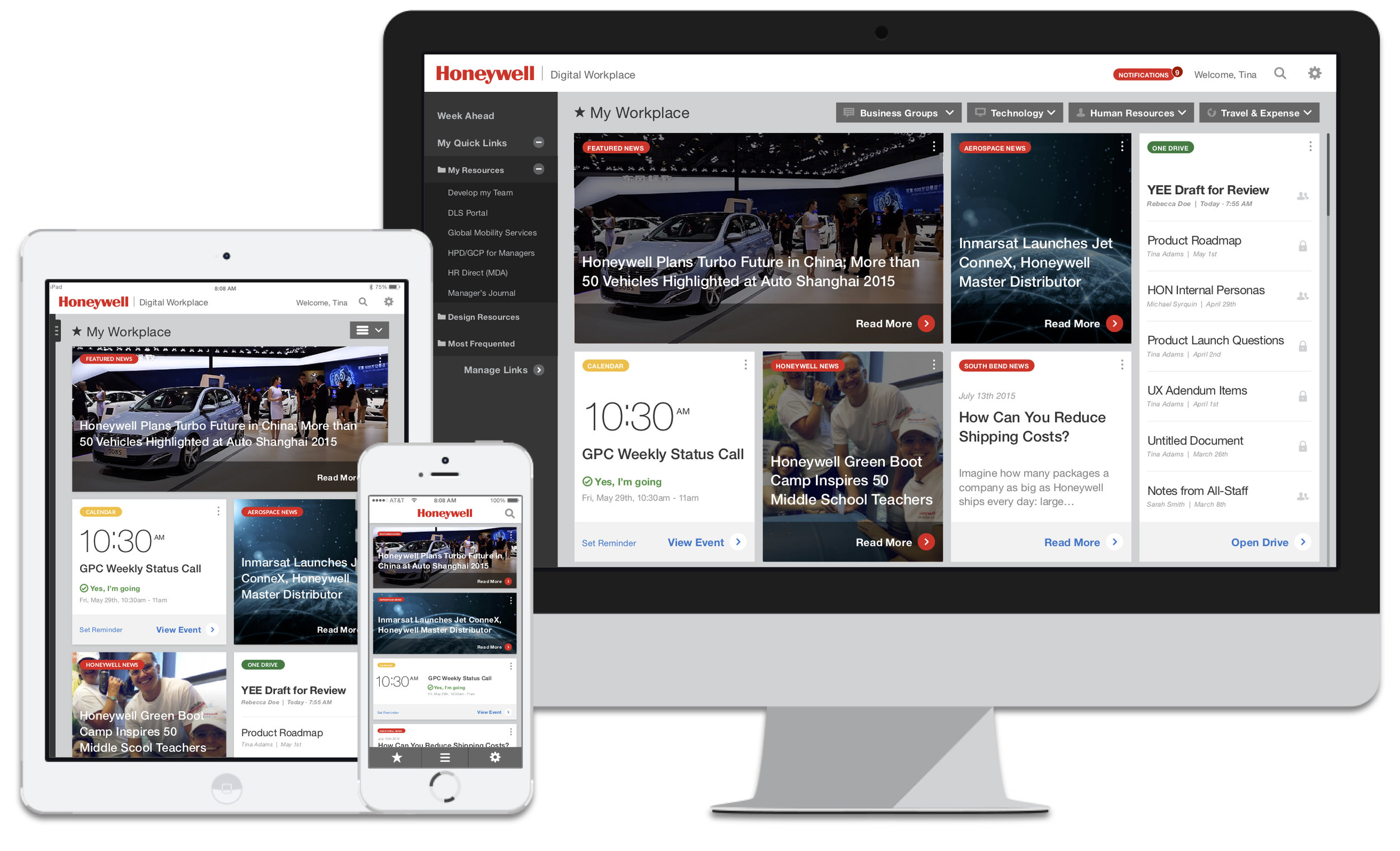
Information Architecture diagram illustrating main menu options mapped to user needs and inquiries

UIDD - User Interface Design Documentation describe in detail anticipated functionality and patterns to display various forms of information